In our last part of our series of the effects of drought on the the people we consider the plight of professional farmers to survive and keep afloat following one of the worst farming seasons in the history of Zimbabwe.
Zimbabwe could struggle to meet a target of 1,4 million tonnes of maize for the 2014/15 season.
Speaking to the dailynews.co.zw Zimbabwe Farmers’ Commercial Union (ZFCU) president Wonder Chabikwa
said changes in rainfall patterns compounded with flooding in some areas
will negatively impact on the success of the current farming season.
“Last year was a much better season for farmers. This farming season,
the rains started late and when they came they were too much, damaging
farmers’ crops,” Chabikwa said.
“All this does not augur well for a successful farming season.
“It gives us doubts as farmers if we will achieve our targets.”
He, however, said all hope was not lost as the changing weather patterns could also work in the farmers’ favour.
“It really depends on what happens onwards. If the rains continue and
allow the current maize crop to mature then we might be able to recover
from a not-so-good looking season,” the ZFCU president said.
He said farmers who had already lost their crop to the current floods will struggle to survive until the next farming season.
“If a farmer is affected by floods, it’s a loss because most of them do
not have insurance which could have compensated them for the losses
incurred,” he said.
“It’s an area that has to be looked into as to how to deal with such a
situation. Flooding is a natural disaster and not of one’s own doing.”
“Funding is a major challenge for most farmers as they resort to
self-funding, a situation that puts a strain on their activities, with
contract farming remaining the only alternative,” Chabikwa said.
“Traditionally, banks provided funding but at the moment they cannot offer us the loans we require.
“It’s either they totally don’t have the funds to lend or the interest
rates plus the span of the loan is unattractive to the farmers,”
Chabikwa said.
He said banks were aware of challenges being faced by the sector but were faced with their own problems.
“It’s not that they don’t want to give us money but these are also businesses faced with their problems.
“We do meet them at various forums and we do discuss our problems, while they also air their own problems,” the ZCFU boss said.
The rains dissapointed and for small startup who received land a few years back it is going to be difficult to even buy material to start the next farming saeason as they have no savings to fall back on and buy seeds and fertiliser for the upcoming season..
Maxwell Ncube a semi subsistence farmer from Tsholotsho says 'i doubt i'll be be getting anything this season. God knows how i will afford fertiliser and seed for the upcoming season"
Many villagers spoken to in Tsholotsho echoed these words sand even suggested a subsidy on fertiliser and seed next season in order to farm anything.
With such heart breaking anecdotes from farmer one thing is clear. Something has to be done for our environment in order to encourage good rains and climate. Global warming has to be stopped. people have to UP their green
Tuesday, 31 March 2015

effects of drought
As i continue with the series of the effects of drought, today i want to show the real impact on the crops from this past farming season.i wanna show images so we can ascertain for ourselves that global warming is real and affecting us.
 | ||||||||
| wilted crops which government has declared | as a right off pic by voazimbabwe.com |
The paradox however in this situation is that some area were flooded yet where it matters rain was no nowhere to be felt.
 | |||||||||||||||||||||||||||||||||||||||||||||||||||||||||||||||||||||||||||||||||||||||||||||||||||||||||||||||||||||||||||||||||||||||||||||||||||||||||||||||||||||||||||||||||||||||||||||||||||||||||||||||||||||||||||||||||||||||||||||||||||||||||||||||||||||||||||||||||||||||||||||||||||||||||||||||||||||||||||||||||||||||||||||||||||||||||||||||||||||||||||||||||||||||||||||||||||||||||||||||||||||||||||||||||||||||||||||||||||||||||||||||||||||||||||||||||||||||||||||||||||||||||||||||||||||||||||||||||||||||||||||||||||||||||||||||||||||||||||||||||||||||||||||||||||||||||||||||||||||||||||||||||||||||||||||||||||||||||||||||||||||||||||||||||||||||||||||||||||||||||||||||||||||||||||||||||||||||||||||||||||||||||||||||||||||||||||||||||||||||||||||||||||||||||||||||||||||||||||||||||||||||||||||||||||||||||||||||||||||||||||||||||||||||||||||||||||||||||||||||||||||||||||||||||||||||||||||||||||||||||||||||||||||||||||||||||||||||||||||||||||||||||||||||||||||||||||||||||||||||
| floods in matabeleland one of the country's driest regions. |
Friday, 27 March 2015
Diamond mines to merge.
Today i want celebrate the works being done at other end of the country because it is such great news for the environment. All Diamond mines in the Marange and Chiadzwa are set to merge to under one banner. This will go a long way to ensurer accountability in terms of good environment keeping.
Although this deal was done for business purposes in order to avoid any tax evasions, as environment persons we are definitely celebrating because our job has been made easier. We can now lend a very watchful eye to pinpoint any environmental mishaps from the mining co-operates who have been synonymous with poor environmental handling the world over.
This is real UP'ing the green and we hope other mining companies will follow suite.
Although this deal was done for business purposes in order to avoid any tax evasions, as environment persons we are definitely celebrating because our job has been made easier. We can now lend a very watchful eye to pinpoint any environmental mishaps from the mining co-operates who have been synonymous with poor environmental handling the world over.
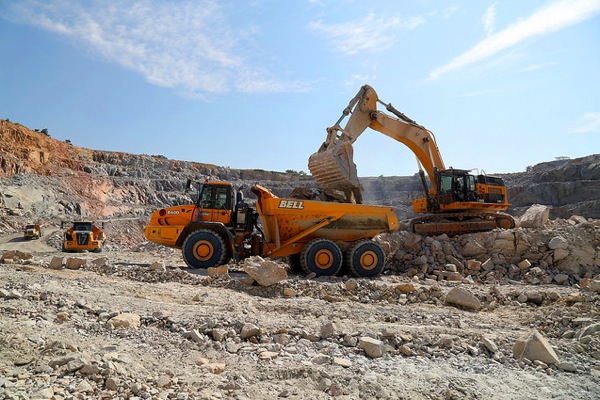 |
| Rio Tinto’s Murowa open pit mine in Zimbabwe |
This is real UP'ing the green and we hope other mining companies will follow suite.
Sand poaching the new phenomenon ; Effects of drought SERIES
The 2015 harvest was declared by the government as good as useless and efforts to mitigate hunger have been set aside. In addition to imports the government will purchase, the UK has given a country about 70 million for agricultural projects. No doubt all these efforts will go a long way to help people but in the mean time people are are trying to survive using means dangerous to the environment and from where i'[m standing we will very well regret not acting sooner. Today in a series of blogs to share the effects of drought in Zimbabwe i will share a story adapted from the Newsday.
Thirty-seven-year-old Berita Nyoni of ward 16 Ngamo area in Vungu Rural District Council (VRDC) wakes up on a Friday morning with no food to give to her three children. Worried that her kids might starve, she grabs a shovel and a bucket and heads to Ngamo River where she joins a group of 40 women already busy at work.
The women are trying to eke a living from sand poaching.
The work is, however, not easy. Berita has to scoop sand from the river and deposit it on the riverbank. From the riverbank she uses a 20-litre bucket to heap it 10 metres away from the stream where truckers can collect it.
“This is heavy work, but I have no choice as I need to feed my three little kids,” Berita said with a pale face.
A sand heap of about 30 20-litre buckets is sold for $30-$40 to sand dealers. The sand dealers use lorries and other heavy trucks to transport the product to Gweru where there is a ready market from residential land developers.
For Berita sand poaching enables her to buy food as well as send her children to school. Rains in the Midlands like other provinces in the country ended prematurely and most of the crops are a write off.
Ngamo in Gweru peri-urban area is no exception.
“Our crops wilted from this season’s erratic rains and so we don’t expect to harvest anything. So we should devise ways to survive and here sand poaching is our only option,” she told Newsday during an Environmental Management Agency (EMA) media tour recently.
Though the women operate illegally EMA officials said they were helping to prevent siltation in Ngamo River nevertheless the sand can be washed back into the river if left uncollected.
EMA, however, said when the villagers go inland to extract river and pit sand as well as stones without licences they cause serious environmental degradation.
Provincial EMA information and publicity officer, Timothy Nyoka said his office was having headaches caused by illegal sand diggers particularly in Gweru peri-urban area.
“There is a proliferation of sand poachers in this area [Ngamo] and they have left land heavily degraded,” Nyoka said.
“It is difficult to arrest them as they come in the deep of the night with heavy trucks and dig for pit sand and stones.”
Ngamo area is now full of dongas as a result of environmental degradation from sand poaching.
“We only have 27 registered sites in Gweru where sand extraction is carried out otherwise the rest operate illegally with no environmental plans to reclaim the land they would have dug,” Nyoka said.
He said EMA was investigating a case on the outskirts of Mkoba suburb where a child drowned in the pits left by sand poachers.
Most farmers resettled in the area have also joined in sand excavation — though legally — as they try to survive the harsh economic conditions.
Unlike the sand poachers the farmers have environmental plans to rehabilitate the land.
Environmental experts, however, say the reclaimed land would
never be restored to its original state.
“I realised that it was better to venture into sand extraction and do business instead of losing out to illegal operators,” Kesari Chidanhika, a farmer at Plot 65 said.

“We don’t expect much from the fields as the crops have wilted from the erratic rains and sand extraction is one way we realised we can make a living from.”
Another farmer at Plot 55, Martha Mugaviri, said she did not get inputs in the last farming season and sand extraction was a better alternative for her to earn a living.
Mugaviri, a widow, said besides the unpredictable rains, the soil in her plot was sandy and not suitable for cultivation.
“It is better that I venture into this business (sand extraction) so that I can improve both my homestead and fields,” she said.
Though Vungu Rural District Council has by-laws that govern and protect the use of land under its jurisdiction it appears it is has no capacity to ensure these laws are adhered to.
Quite moving, i know, but the environment will soon suffer. Were it not for global we wouldn't be facing this drought crisis. So right now today lets fight global warming and UP THE GREEN wherever we are to prevent any future effects.
Thirty-seven-year-old Berita Nyoni of ward 16 Ngamo area in Vungu Rural District Council (VRDC) wakes up on a Friday morning with no food to give to her three children. Worried that her kids might starve, she grabs a shovel and a bucket and heads to Ngamo River where she joins a group of 40 women already busy at work.
The women are trying to eke a living from sand poaching.
The work is, however, not easy. Berita has to scoop sand from the river and deposit it on the riverbank. From the riverbank she uses a 20-litre bucket to heap it 10 metres away from the stream where truckers can collect it.
“This is heavy work, but I have no choice as I need to feed my three little kids,” Berita said with a pale face.
A sand heap of about 30 20-litre buckets is sold for $30-$40 to sand dealers. The sand dealers use lorries and other heavy trucks to transport the product to Gweru where there is a ready market from residential land developers.
For Berita sand poaching enables her to buy food as well as send her children to school. Rains in the Midlands like other provinces in the country ended prematurely and most of the crops are a write off.
Ngamo in Gweru peri-urban area is no exception.
“Our crops wilted from this season’s erratic rains and so we don’t expect to harvest anything. So we should devise ways to survive and here sand poaching is our only option,” she told Newsday during an Environmental Management Agency (EMA) media tour recently.
Though the women operate illegally EMA officials said they were helping to prevent siltation in Ngamo River nevertheless the sand can be washed back into the river if left uncollected.
EMA, however, said when the villagers go inland to extract river and pit sand as well as stones without licences they cause serious environmental degradation.
Provincial EMA information and publicity officer, Timothy Nyoka said his office was having headaches caused by illegal sand diggers particularly in Gweru peri-urban area.
“There is a proliferation of sand poachers in this area [Ngamo] and they have left land heavily degraded,” Nyoka said.
“It is difficult to arrest them as they come in the deep of the night with heavy trucks and dig for pit sand and stones.”
Ngamo area is now full of dongas as a result of environmental degradation from sand poaching.
“We only have 27 registered sites in Gweru where sand extraction is carried out otherwise the rest operate illegally with no environmental plans to reclaim the land they would have dug,” Nyoka said.
He said EMA was investigating a case on the outskirts of Mkoba suburb where a child drowned in the pits left by sand poachers.
Most farmers resettled in the area have also joined in sand excavation — though legally — as they try to survive the harsh economic conditions.
Unlike the sand poachers the farmers have environmental plans to rehabilitate the land.
Environmental experts, however, say the reclaimed land would
never be restored to its original state.
“I realised that it was better to venture into sand extraction and do business instead of losing out to illegal operators,” Kesari Chidanhika, a farmer at Plot 65 said.
“We don’t expect much from the fields as the crops have wilted from the erratic rains and sand extraction is one way we realised we can make a living from.”
Another farmer at Plot 55, Martha Mugaviri, said she did not get inputs in the last farming season and sand extraction was a better alternative for her to earn a living.
Mugaviri, a widow, said besides the unpredictable rains, the soil in her plot was sandy and not suitable for cultivation.
“It is better that I venture into this business (sand extraction) so that I can improve both my homestead and fields,” she said.
Though Vungu Rural District Council has by-laws that govern and protect the use of land under its jurisdiction it appears it is has no capacity to ensure these laws are adhered to.
Quite moving, i know, but the environment will soon suffer. Were it not for global we wouldn't be facing this drought crisis. So right now today lets fight global warming and UP THE GREEN wherever we are to prevent any future effects.
Thursday, 19 March 2015
Poachers or protectors: How elephants are protected in Hwange
WHEN we say UP THE GREEN we definitely mean this, the perpetrator switching teams to fight the very evil he was pursuing. In our very own Zimbabwe in Matabeleland former poachers are being hired to protect the elephants.
baby elaphants rescued video from Youtube.com
Following the cyanide scandal of 2013 there is need to take drastic measures to ensure the lives of these majestic animals. The images of that time were so appalling especially to anyone who loves their environment. Reportedly there was a day were as much as 130 elephants were killed.
 |
| a pile of dead bodies in 2013 pic by dailymail.co.uk |
 |
| ivory confisticated from poacher pic by cnn.com |
 |
| elephants on a happy day by dailymail.co.uk |
There is new hope for the elephants thanks to s efforts of the rangers and the newly converted wildlife protectors.
you can also view the video by following the link below
Tuesday, 17 March 2015
Vic Falls Bans Open Space Churches
IF you're of the same thinking as me, you always look at the ''ma postori'' gatherings and wonder whether they have permission to not only worship but to cut down trees in the spots they occupy across the bushes of Matabeleland and Zimbabwe.
If you were with me in thinking ,well we have been proven right All that occupying of bushes is against the law. The Victoria fall city councill last week banned open space churches saying they were a nuisance to tourism and a threat to the environment.
An article by all Africa.com points that A number of churches have sprouted along the highway on the buffer
zone, which is reserved as an animal corridor forcing the council to
take the bold step.
 |
| tourists in vic falls pic by rakeytravelandtours.com |
Town Clerk Christopher Dube announced the move to ban these churches at a full council meeting recently.
Dube said the council felt the proliferation of open space worshipers
would have a negative bearing on tourism as they are now a common
feature along major roads in the resort town.
"We want to engage them before we take action," said Dube.
"Churches should operate formally just like any other business. They
should apply to use whatever space and people be informed that there
will be a church than for them to just take their equipment and start
making noise, that is not acceptable here in Victoria Falls."
 |
| worshipers in the bush by Nehandaradio.com |
He continued: "This even disturbs tourism. There are places where
they can go and worship such as the stadium and the local hall. There
are open spaces where we can allow churches to conduct services such as
crusades and police should be notified as this will be for a specified
period not what they are doing.
"For now we don't want to be confrontational but they should respect
the local authority and its by-laws. We will engage them but in the
event they don't take advice we would then take action and they will be
arrested," added Dube.
However the development is likely to invite war between the local
authority and open space worshipers, particularly the apostolic sects
and the Zionist churches.
A few years ago the Bulawayo City Council clashed with worshipers
when the local authority resolved to ban them from worshiping under
trees.
The idea was dropped after a stiff resistance from the churches.
While the controversy is brewing in the resort town i would like to say if you're' cutting trees and using space illegally bump it down a notch because it wont be long before controversy follows you. Lets UP THE GREEN by keeping our environment and following environmental laws.
Friday, 6 March 2015
the nature of matebeland
 |
| Matopo hills will teach you a thing or two on balancing photo by intothebush.com |
 |
| get a closer and personal view of their world photo by Safari lodge |
 |
| let the music in Matopo free your mind to the wild and enjoy the natural Ndebele beat. photo by traveldirect.com |
 |
| Bulawayo skyline awaiting your visit photo by adrenalin |
 |
| her grace the queen of water falls who can beat Mosi-oa-Tunya |

 quite breathtaking you can never fail to fall in love with the area |
| there she is in her splendor picture by safari lodge |
 |
| a day well spend see the spectacular fade of the sun photo by Safari lodge |
 |
| feel the love in Matabeleland photo by Safari lodge quite breathtaking you can never fail to fall in love with the area UP THE GREEN AND KEEP IT IN ITS SPLENDOR |
Subscribe to:
Posts (Atom)